
How Asheville’s Mountain Climate Affects Your Home’s Exterior Paint
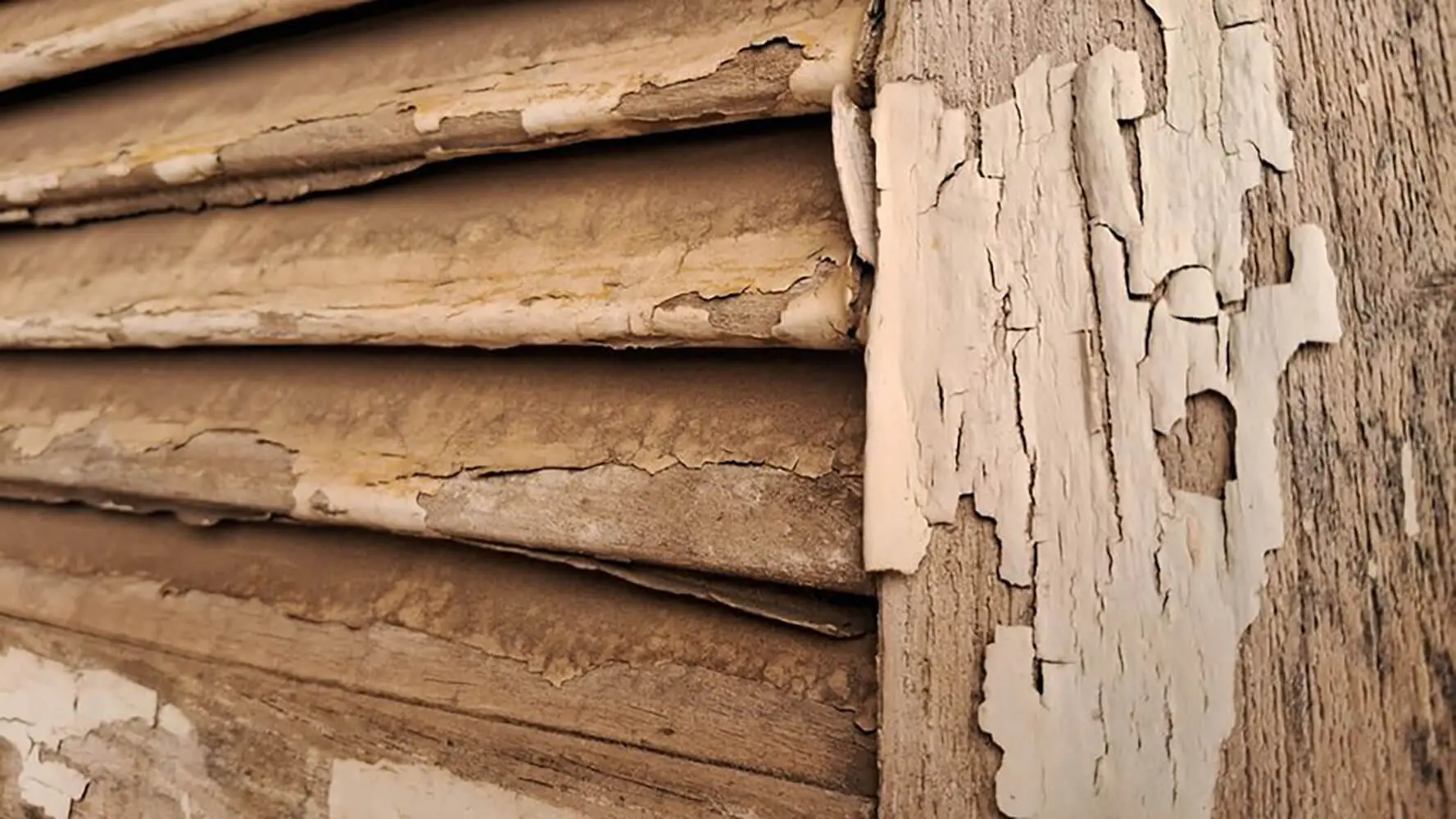
If you live in the Asheville area, there is a good chance your home’s exterior paint has looked worn before you expected it to. Fading, peeling, chalking — these are not random. The climate in Western North Carolina is one of the more demanding environments for exterior paint in the region, and understanding how Asheville’s climate affects exterior paint helps explain what you are seeing on your own home. This post covers the specific conditions that put pressure on exterior paint in this area and what realistic lifespan looks like for homes here.
How Humidity and Moisture Affect Exterior Paint in Western NC
The Asheville area is a humid mountain environment. Moisture is not a seasonal presence here — it is a constant one, and it affects exterior paint in more than one way.
The first is adhesion. Paint applied during periods of high ambient humidity has a harder time bonding properly to the surface beneath it. When conditions are too wet, the paint film does not cure the way it should, which creates vulnerabilities from the start.
The second is ongoing stress on the cured film. Even after paint has fully dried and hardened, moisture continues to work into and out of the substrate beneath it. On wood siding, this cycle is particularly hard on paint. Wood absorbs moisture and swells, then dries out and contracts. The paint film has to move with it, and that repeated stretching and contracting fatigues the film over time, causing it to crack and eventually separate from the surface.
Peeling is the end result of this process. When moisture enters the substrate and builds up beneath the paint film, it eventually tries to escape. As it pushes outward, it lifts the paint film from underneath. This is what peeling actually is — not just a surface problem, but a moisture problem working from the inside out. It is made worse when surfaces were not properly cleaned, dried, or primed before painting, because inadequate prep leaves the substrate more exposed to moisture infiltration from the start.
How Elevation and UV Intensity Accelerate Fading and Paint Breakdown
UV radiation increases with altitude. At Asheville’s elevation, UV intensity is meaningfully higher than at sea level, and that has a direct effect on how quickly exterior paint breaks down.
Paint pigments and binders absorb UV energy over time. As that exposure accumulates, the pigments fade and the binders that hold the paint film together begin to degrade. The result is chalking — that powdery residue that appears on older painted surfaces — and an overall loss of color depth and sheen.
To answer the question directly: yes, altitude affects how long exterior paint lasts. The higher the elevation, the more UV stress the paint film is under, and the faster the breakdown process moves.
The effect is not uniform across the entire house. South- and west-facing surfaces receive the most direct sun exposure throughout the day and show fading and chalking significantly faster than north- or east-facing surfaces on the same home. It is common to see two sides of the same house in noticeably different condition even when they were painted at the same time, for exactly this reason.
How Temperature Swings Between Seasons Stress the Paint Film
Western NC is a genuine four-season climate. Cold winters, warm summers, and significant temperature swings within a single day at higher elevations are all part of what exterior paint here has to tolerate.
Paint films expand when temperatures rise and contract when they fall. That movement is small with any single cycle, but it accumulates over years of repeated cycling. On wood siding, the substrate itself is also expanding and contracting with temperature and moisture changes, which compounds the stress on the paint film above it.
The combined effect of thermal cycling and moisture movement is harder on exterior paint than either condition alone. A paint film dealing with both simultaneously is under more stress than it would be in a climate with less temperature variation or less humidity. In Western NC, it is dealing with both at the same time, every season.
How Shade and Tree Cover Create Conditions for Mildew Growth
Asheville’s terrain and tree canopy create a specific problem for exterior paint that is less common in flatter, more open environments. Many homes here have surfaces that receive limited direct sun — north-facing walls, sheltered eaves, and areas under heavy tree cover — and those surfaces stay damp longer after rain than surfaces with more sun exposure.
Sustained surface moisture is what mildew needs to take hold. Shaded surfaces on mountain homes provide exactly those conditions, which is why mildew growth on the paint film is a common issue for homeowners in this area.
Mildew is not only a cosmetic problem. It degrades the paint film over time, and a new coat of paint applied over untreated mildew will not stop it from continuing to grow underneath. A surface that looks clean from a distance may still have mildew present that a professional needs to treat before any new finish goes on.
How Different Siding Materials Hold Up in This Climate
The conditions described above affect every home in Western NC, but they do not affect every home equally. Siding material plays a significant role in how well exterior paint holds up under these conditions.
Here is how the three most common siding materials compare:
- Wood siding is the most vulnerable to moisture cycling and thermal movement. It absorbs and releases moisture more readily than other materials, which puts more stress on the paint film above it. Wood siding in this climate requires the most attentive prep work and the highest quality products to perform well.
- Vinyl siding does not absorb moisture the way wood does, which removes one of the primary stressors. However, it is susceptible to UV fading and can become brittle with repeated thermal cycling, particularly at higher elevations.
- Fiber cement siding is the most stable of the three under Western NC conditions. It resists moisture absorption and thermal movement better than wood, and it holds paint longer when properly prepared and coated.
Two homes painted at the same time with the same product can have very different outcomes based on what they are sided with. Siding material is one of the most significant factors in how long a paint job lasts in this area.
To answer the question directly: fiber cement holds paint longest in mountain climates, followed by vinyl, with wood requiring the most frequent attention given how this climate affects it.
How Long Does Exterior Paint Last on Asheville-Area Homes?
With all of these conditions in play, most Asheville-area homes need repainting every 5 to 8 years. That range reflects the variation in siding material, sun and weather exposure, paint quality, and the quality of the prep work done before the last paint job.
The factors that push toward the shorter end of that range:
- Wood siding with significant sun or weather exposure
- South- or west-facing surfaces that bear the most UV stress
- Paint jobs where prep work was rushed or incomplete
- Homes with significant shade and mildew pressure that was not properly treated before painting
The factors that push toward the longer end:
- Fiber cement siding with proper prep and quality products
- Surfaces with balanced exposure and good drainage
- Paint jobs where surfaces were thoroughly cleaned, dried, primed, and coated correctly
Five to eight years is a realistic expectation for this climate. It is not a sign that something went wrong — it is a reflection of what these conditions demand from exterior paint over time.
What to Do When Your Exterior Paint Is Showing Its Age
The conditions covered in this post — humidity, UV intensity at elevation, thermal cycling, mildew, and siding material — all play a role in how exterior paint holds up on Asheville-area homes. Understanding what is driving the wear helps, but it does not tell you exactly what your home needs or when.
That is what an in-person assessment is for. What paint looks like from the street and what a professional finds on a close inspection of the actual surfaces can be two different things. The condition of the paint film, the state of the substrate underneath, the specific exposures your home deals with — those details matter for determining what the right next step actually is.
We offer free estimates and are happy to walk your property, take a close look at what you are working with, and give you an honest picture of where things stand. If your exterior paint is showing its age and you want to understand what you are actually dealing with, reach out to schedule your free assessment.
