
What Does a Professional Cabinet Refinishing Job Actually Involve?
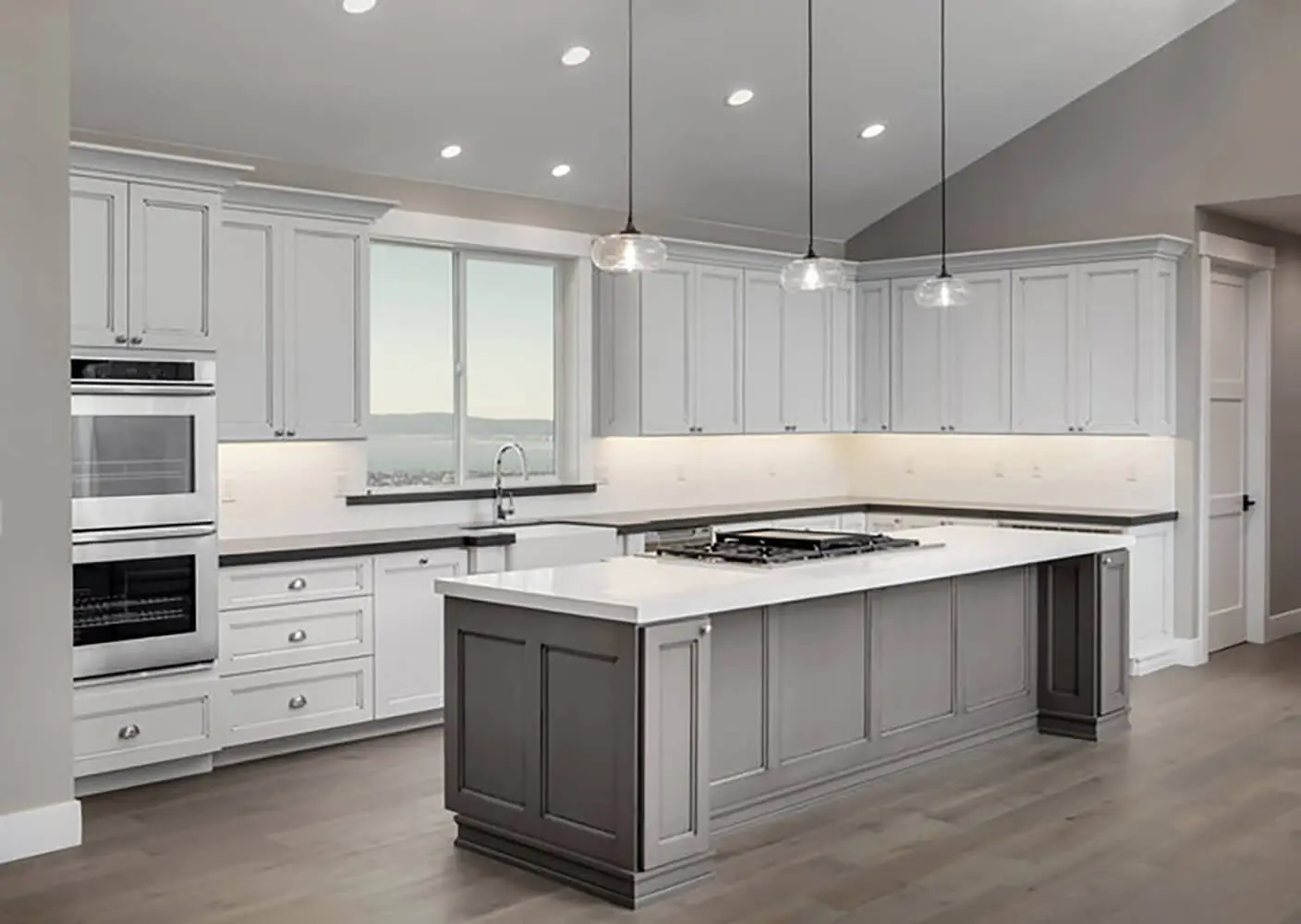
Your kitchen cabinets are due for a change. Maybe the color feels dated, the finish is worn, or the look just no longer fits the space. You’re not ready to gut the kitchen — you just want the cabinets to look different. Professional refinishing keeps coming up as an option, but before you commit to anything, you want to know what a professional actually does.
That’s a reasonable question to ask. What does professional cabinet refinishing involve, exactly? What happens before any paint goes on? How long does the job take? What does your kitchen look like while the work is underway?
This is a plain-language walkthrough of the process from start to finish — not a sales pitch, but an honest explanation of what happens on a professional cabinet refinishing job and why each step matters. By the time you finish reading, you’ll have a clear picture of what to expect.
Why Homeowners Choose Refinishing Over Replacement
Cabinet replacement is a significant project. It means new boxes, new doors, new hardware, demolition, installation, and weeks of disruption to one of the most used rooms in the house. For many homeowners, that level of overhaul is more than the situation calls for.
Refinishing makes sense when the cabinets are structurally sound but the finish is the problem. The bones are good. The layout works. What needs to change is the color, the sheen, or the overall look. A professional refinishing job addresses exactly that without touching the cabinet boxes, the layout, or the surrounding kitchen.
The result is a kitchen that looks meaningfully different without the cost or disruption of a full replacement. For homeowners who want an updated space without a renovation, refinishing is a legitimate path forward.
What Happens Before Any Paint Is Applied
Prep is the first stage of a professional cabinet refinishing job and the most involved one. Before any product goes on the surface, the cabinets have to be properly prepared. This is not a step that gets rushed or skipped on a professional job. What happens here sets the ceiling for everything that follows.
Prep breaks down into two distinct steps: cleaning and degreasing, then sanding and surface repair.
Cleaning and Degreasing the Cabinet Surfaces
Kitchen cabinets take a lot of abuse. Grease from cooking builds up on the surfaces over time, along with dust, residue from cleaning products, and general grime. To the eye, the cabinets might not look that dirty. But even a thin layer of contamination is enough to prevent paint from bonding properly.
A professional cleans and degreses the cabinet surfaces thoroughly before anything else happens. This is not a quick wipe-down. It is a deliberate step that removes everything that would otherwise sit between the new finish and the cabinet surface.
Sanding and Surface Repair
Once the surfaces are clean, sanding begins. Sanding accomplishes two things. It scuffs the existing finish so the new coat has something to grip, and it smooths out any imperfections in the surface.
Minor repairs also happen at this stage. Small holes get filled. Chips and dings get addressed. By the time sanding is complete, the surface should be clean, even, and ready to accept a new finish.
Why This Step Determines the Quality of the Finish
Here is what goes wrong when prep is skipped or rushed:
- Paint applied over a greasy or contaminated surface does not bond properly and begins to peel
- A finish applied over an unscuffed surface has nothing to grip and separates over time
- Imperfections left unaddressed before coating show through the finished surface and cannot be fixed without stripping the job and starting over
From the homeowner’s vantage point, this stage may not look like much is happening. The professional is cleaning and sanding, not painting. But this is where the durability and appearance of the finished result are actually decided. A professional who takes prep seriously is building a finish that holds up. One who rushes it is not, and the consequences of hiring the wrong painter go well beyond a finish that looks uneven.
What a Professional Cabinet Refinishing Service Actually Involves
Once the surfaces are prepared, the painting stage begins. This is the part most homeowners picture when they think about cabinet refinishing, but understanding what it actually involves helps explain why a professional result looks different from a DIY one.
The first thing a professional typically does is remove the cabinet doors and hardware. Working with the doors off allows each surface to be coated properly, without the constraints of working around hinges and handles. Doors are usually painted separately, laid flat or hung, so the finish can be applied evenly without drips or runs.
From there, the surfaces are coated in controlled passes. The application method matters here as much as the product being used. A professional applies finish in a way that produces a smooth, even result across the entire surface, not just in the easy-to-reach areas. Multiple coats are applied with adequate drying time between each one.
The process looks something like this:
- First coat applied to cabinet frames and doors
- Drying time observed between coats
- Light sanding between coats where needed to maintain a smooth surface
- Second coat applied
- Additional coats added depending on the color, the product, and the condition of the surface
The whole process is methodical. Rushing any stage, whether it is drying time between coats or the number of coats applied, compromises the finished result. A professional cabinet refinishing job takes the time it takes.
What Is the Difference Between Cabinet Refinishing and Cabinet Painting?
If you have been researching this topic, you have probably seen both terms used. Cabinet refinishing. Cabinet painting. Sometimes they appear side by side, sometimes interchangeably. It is worth clarifying what each one means before going further.
In most residential contexts, cabinet refinishing and cabinet painting refer to the same outcome: the existing cabinet surfaces are cleaned, prepped, and coated with a new finish. The result is cabinets that look fresh and updated without replacing the boxes or the doors.
The distinction, where one exists, comes down to the type of finish being applied. Painting refers specifically to applying a paint product to the surface. Refinishing can sometimes refer to work that involves staining or restoring a wood finish rather than painting over it. A homeowner with natural wood cabinets who wants to preserve the wood grain, for example, might pursue a refinishing approach that uses stain or a clear coat rather than paint.
For most homeowners asking this question, the practical answer is straightforward. If you want your cabinets to look different and you are not planning to replace them, you are looking at some version of cabinet painting or refinishing. The right approach depends on your cabinets, your goals, and what a professional recommends after seeing the space.
What the Homeowner Needs to Do Before the Job Starts
The homeowner’s role in a professional cabinet refinishing job is minimal, but there are a few things to take care of before the crew arrives.
The main task is clearing the area. That means:
- Removing items stored inside the cabinets that will be worked on
- Clearing countertops near the cabinets so the professional has room to work
- Taking down anything hanging on or near the cabinet area that could get in the way
The professional handles everything else. Hardware removal, surface prep, painting, and reinstallation are all part of the job. The homeowner does not need to do any of the prep work or supply any materials.
Before work begins, a walkthrough typically happens, and if you want a sense of what that process looks like on a professional painting job, the same principles apply across services The professional reviews the scope of the job, confirms which cabinets are being refinished, notes any specific concerns, and gives the homeowner a clear picture of what the project involves. This is the right time to ask questions and make sure expectations are aligned before any work starts.
What Kitchen Access Looks Like During the Project
It helps to go into a cabinet refinishing job with realistic expectations about the kitchen during the work.
Cabinet doors will be off for the duration of the project. The kitchen will be in a work state, which means it will not look or function the way it normally does. The cabinet frames are accessible, but the doors are being worked on separately, and the space will have the feel of an active job site.
In practical terms, here is what to expect:
- Cabinet interiors are open and accessible, but the doors are off
- Countertops near the work area may be temporarily occupied by equipment or materials
- Cooking and normal kitchen use will be limited during the project, particularly while coats are drying and the space needs to stay undisturbed
The length of this disruption depends on the scope of the job. A smaller kitchen with fewer cabinets wraps up faster than a large kitchen with extensive cabinetry. The professional will give a specific timeline before work begins so the homeowner can plan accordingly.
How Long Does Cabinet Refinishing Take?
A typical kitchen cabinet refinishing project takes anywhere from two to four days. Some jobs come in shorter, some run longer. The timeline depends on several factors specific to the job.
What drives the timeline:
- The number of cabinets being refinished
- The condition of the surfaces going in, since cabinets that need more prep work take longer to get ready
- The number of coats required to achieve a solid, even finish
- Drying time between coats, which cannot be rushed without compromising the result
A small kitchen with cabinets in good condition can move quickly. A larger kitchen, or one where the surfaces need significant prep work before coating begins, takes more time. The color being applied also plays a role. Lighter colors going over a darker existing finish may require additional coats to achieve full coverage.
The professional will give a specific timeline estimate before the job starts based on the actual scope of the work. That estimate accounts for prep, application, and drying time so the homeowner has a realistic picture of how long the kitchen will be in a work state.
Can All Cabinet Types Be Refinished?
Most cabinets can be refinished, but the material matters. Not every surface takes a new finish the same way, and a professional will assess the cabinets before committing to a scope.
Wood cabinets are the most straightforward candidate for refinishing. The surface accepts paint and stain well, holds up to prep work without issue, and produces reliable results when the job is done correctly. MDF, which is a common material for cabinet doors and drawer fronts, also refinishes well under most circumstances.
Where things get more complicated is with thermofoil and laminate surfaces. Thermofoil is a vinyl film applied over MDF. It can peel or lift over time, particularly around heat sources like ovens and dishwashers. A surface that is already peeling or delaminating is not a good candidate for refinishing. Laminate surfaces present similar challenges depending on their condition and the specific product.
The condition of the cabinets factors in alongside the material. Cabinets that are structurally sound with surfaces in reasonable condition are good candidates. Cabinets with significant damage, delamination, or structural issues may point toward a different solution.
A professional assessment answers this question specifically for the cabinets in front of them. The material, the condition, and the desired outcome all factor into whether refinishing is the right path forward.
Your Cabinets, Transformed — Here’s What to Expect When the Job Is Done
When the job is complete, the doors go back on, the hardware gets reinstalled, and the kitchen comes back together. The finished result is a smooth, even finish across all of the cabinet surfaces with consistent color throughout. No brush marks, no uneven coverage, no visible imperfections from the surface underneath.
The finish is not fragile. A properly prepared and applied cabinet finish holds up to normal kitchen use, including cleaning, humidity, and the general wear that comes with a working kitchen. It is not the same as a fresh coat of paint slapped on without prep. The durability of the result traces directly back to the preparation work covered earlier in this post. Surfaces that were properly cleaned, degreased, sanded, and repaired before coating hold the finish. Surfaces that were not prepared properly do not.
How long the results last depends on two things: the quality of the prep work and the quality of the products used. A professional who takes both seriously produces a finish that looks good and holds up for years. Touch-ups are rarely needed when the job is done right the first time.
The cabinets will look like a different kitchen. Not because anything structural changed, but because the finish is the first thing the eye lands on. A fresh, consistent color across all of the cabinet surfaces changes the feel of the space in a way that is difficult to appreciate until you see it.
Ready to See What Your Cabinets Could Look Like? Here’s How to Get Started
A professional cabinet refinishing job is a methodical process. Prep, application, and finish. Each stage builds on the one before it, and the quality of the result at the end traces back to the decisions made at the beginning. Now that you have a clear picture of what the process involves, what your role is, and what to expect when it is done, the natural next step is finding out what it would look like for your own kitchen.
Alpha Omega Painters offers free estimates on cabinet refinishing projects. There is no commitment involved, just a conversation about your cabinets, your goals, and what the job would entail. If you are ready to find out what your kitchen could look like with freshly refinished cabinets, we would love to hear from you.
Get in touch today to schedule your free estimate.
