
How to Tell When Your Deck Needs Staining in Burnsville, NC
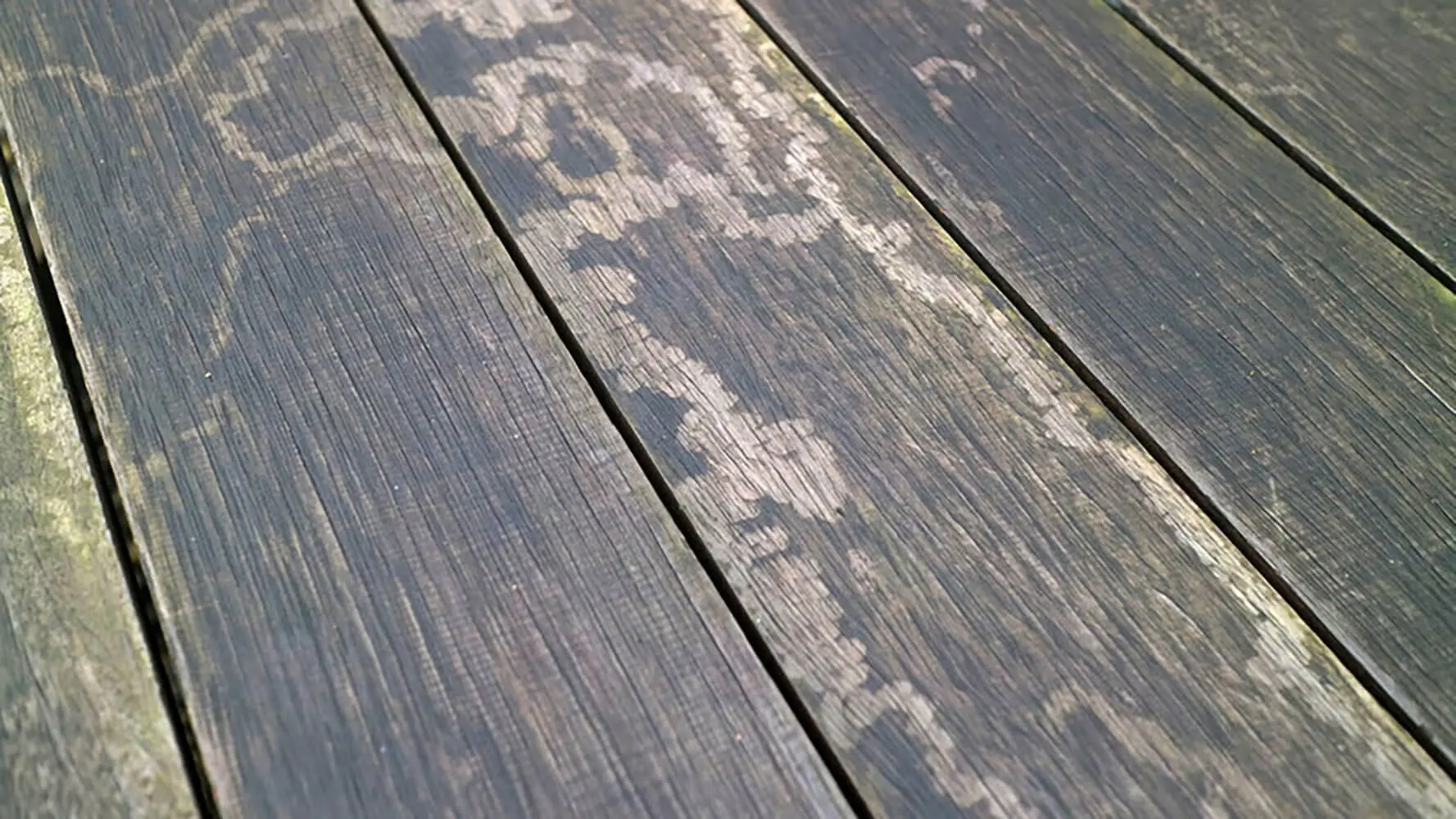
If you have a wood deck in the Burnsville area, there is a good chance you have looked at it recently and wondered whether it needs attention. The deterioration that comes from neglected stain is rarely dramatic at first. It builds gradually, season by season, until one summer you step outside and something about the deck looks or feels off. Knowing when does a deck need staining in Burnsville, NC comes down to reading the specific signs your deck is already showing you. This post walks through each one so you can assess your own deck with confidence.
The Water Bead Test: The Quickest Way to Check Your Deck’s Protection
Before you look at anything else, do this: pour or sprinkle a small amount of water on the deck surface and watch what happens.
Two outcomes are possible:
- The water beads up and sits on the surface. The stain is still doing its job. The wood is repelling moisture the way it should.
- The water soaks in and darkens the wood within a few seconds. The stain has worn through. The wood is absorbing moisture directly, which means protection has failed or is close to failing.
This test takes thirty seconds and gives you a clear, immediate answer about where your deck’s protection actually stands. If the water soaks in, the signs below will help you understand how far along the wear has progressed.
What Fading and Gray Discoloration Tell You About Your Deck
A deck that looks dull, washed out, or has turned gray is not just a cosmetic problem. That color change signals that UV exposure has broken down the stain and the wood beneath it is no longer protected.
Gray discoloration is what weathered, unprotected wood looks like. It is not fading in the way a paint color fades. It is the surface of the wood itself being broken down by sun and moisture exposure over time.
In Western NC, this process moves faster than many homeowners expect. UV intensity at elevation is higher than at sea level. This accelerates fading and graying on south- and west-facing surfaces faster than shaded ones. Two sides of the same deck can look noticeably different in condition, even when stained at the same time.
A deck that has gone fully gray has likely been unprotected for some time. Getting it back to a clean, stainable surface will take more prep work than a deck caught earlier in the wear cycle.
What Peeling or Flaking Stain Means for the Wood Underneath
Peeling or flaking stain is one of the more visible signs that something has gone wrong. It looks like stain lifting away from the surface in chips or sheets, and it tends to start at edges, end grain, or areas with the most sun and moisture exposure.
Peeling stain is not just a surface problem. It means moisture has gotten underneath the stain film and is working against it from below, lifting it away from the wood. The wood underneath is exposed and absorbing moisture with every rain.
A deck showing peeling or flaking stain needs attention sooner rather than later. The longer exposed wood sits unprotected, the more moisture it takes on, and the more work will be required to get it back to a clean surface before the next staining job.
What Mildew and Dark Spotting Signal on a Mountain Deck
Dark spots, black streaking, or patchy discoloration on a deck surface are typically mildew or algae growth. It is easy to mistake for dirt, but scrubbing it off without treating the underlying cause will not solve the problem.
Mountain terrain and tree canopy create conditions that make this particularly common in Western NC. Many decks here have shaded areas that stay damp longer after rain than they would in a more open environment. That sustained surface moisture is exactly what mildew needs to establish itself.
Mildew on the deck surface signals two things:
- Moisture is sitting on the wood long enough to support biological growth
- That same moisture is likely working its way into the wood beneath the surface
Mildew needs to be treated and fully removed before restaining. Stain applied over active mildew will not adhere properly, and the mildew will continue to grow underneath the new finish.
What Splintering and Raised Grain Are Telling You
Splintering and raised grain are signs you are more likely to feel than see at first. The surface feels rough underfoot, wood fibers are visibly lifting away from the surface, and walking on the deck barefoot makes the problem obvious.
This is what happens when wood absorbs and releases moisture repeatedly without adequate protection. The fibers swell when wet and contract when dry, and that repeated cycling causes them to separate from the surface over time.
A deck showing significant splintering or raised grain has been unprotected long enough that the wood itself is being affected, not just the finish on top of it. At this stage the deck needs more than a recoat. The surface will need to be properly cleaned, sanded, and prepared before new stain can be applied effectively.
How Often Does a Wood Deck Need Restaining in Burnsville, NC?
Most wood decks in Western NC need restaining every 2 to 3 years. That is a shorter interval than many homeowners expect, and it reflects what the mountain climate actually does to exterior wood.
The factors that affect how quickly stain wears out on a deck in this area:
- Sun and weather exposure on the most stressed surfaces
- The amount of shade and tree cover, which affects both UV wear and moisture retention
- The type of stain used and how well it was matched to the wood
- The condition of the wood when it was last stained
- How thoroughly the surface was cleaned and prepared before the previous coat was applied
Decks in full sun wear through stain faster than shaded or north-facing decks. Two decks stained at the same time with the same product can look very different two years later. Exposure is the variable that makes the difference.
The mountain climate is harder on exterior wood than many homeowners expect. Moisture, UV intensity at elevation, and temperature swings between seasons all shorten the interval compared to what the same product would last in a drier or lower-elevation climate.
What Happens If You Wait Too Long to Restain a Deck?
The longer unprotected wood sits exposed, the more moisture it absorbs and the more damage accumulates in the wood fibers themselves. What starts as a worn stain film becomes a more involved problem over time.
The progression typically looks like this:
- Stain wears out and stops repelling moisture
- Wood begins absorbing moisture directly with each rain
- Wood dries and contracts between wet periods, stressing the fibers
- Fibers begin to separate, causing splintering and raised grain
- Shaded or damp areas develop mildew growth on the surface
- The wood is eventually damaged enough that prep work becomes significantly more involved before the next staining job can proceed
Catching it early means a cleaner, faster job than waiting until the wood itself is showing damage. When the stain is worn but the wood is still in good shape, the job is straightforward. In the worst cases, waiting too long means some boards need to be replaced before staining can begin.
Can You Restain a Deck Without Stripping It?
It depends on the condition of the existing stain and the surface beneath it. There is no single answer that applies to every deck.
Two scenarios cover most situations:
- If the existing stain has worn evenly and the wood surface is clean and in good condition, a new coat can often be applied without full stripping. The surface still needs to be cleaned and prepped, but a full strip is not always required.
- If the existing stain is peeling, flaking, or unevenly worn, stripping is necessary. A new coat applied over a failing or uneven existing finish has nothing solid to bond to, and the new stain will fail prematurely for the same reason the old one did.
Applying new stain over a failing existing finish is one of the most common reasons staining jobs do not hold up, and it falls into the same category as other shortcuts that cost more to fix later. A professional will assess the surface before recommending an approach, because the right answer depends on what is actually on the deck.
How Long Does Deck Stain Last in a Humid Climate?
In a humid climate like Western NC, most deck stains last 2 to 3 years before they need attention. That is shorter than the 3 to 5 year lifespan manufacturers often cite, which is typically based on drier, lower-elevation conditions.
The reason is straightforward. Humidity keeps outdoor wood in a near-constant cycle of moisture absorption and release. That repeated movement stresses the stain film from below, shortening the interval between recoats compared to what the same product would achieve in a drier climate.
The 2 to 3 year interval is not a sign that something went wrong. It is a realistic expectation for what outdoor wood in this climate demands, and planning around it keeps the deck in better shape and the staining jobs simpler than waiting until the signs of failure are obvious.
What to Do Once You Know Your Deck Needs Attention
The signs covered here — the water bead test, fading and graying, peeling stain, mildew, splintering — give you a clear picture of where your deck stands. If several of them apply, the deck has likely been due for attention for a while. If one or two apply, you have a clearer sense of how soon to act.
The right next step is having someone walk the deck with you. A professional can confirm what the signs mean for your specific deck, assess whether the wood is in good enough shape to recoat or needs more prep work first, and give you an honest picture of what the job actually involves.
Our deck staining team offers free estimates and is happy to walk your deck, take a close look at the surfaces and exposures you are dealing with, and tell you exactly what we are seeing. Reach out today to schedule your free deck assessment.
