
What Affects How Long Fence Stain Lasts in Asheville, NC
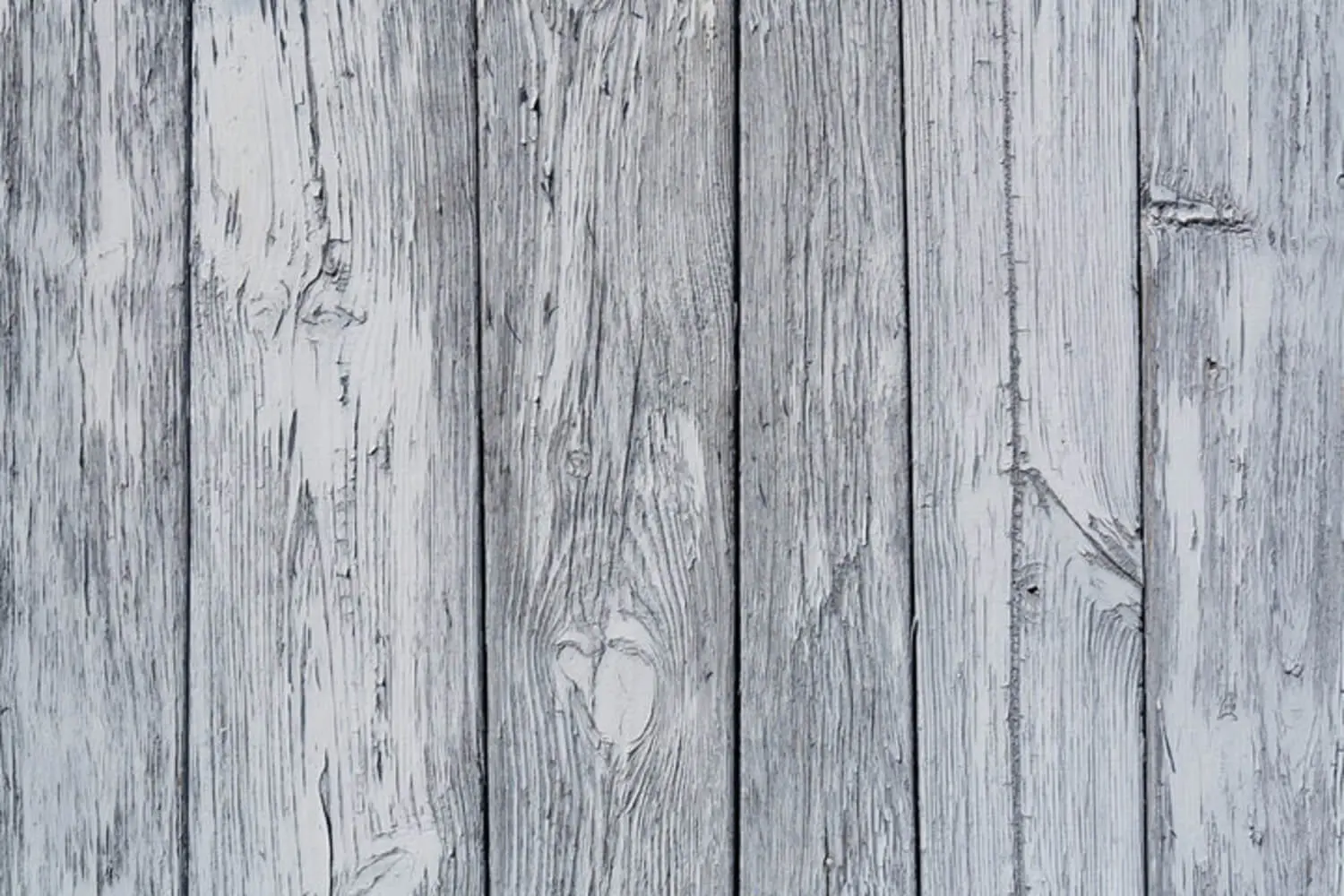
If you have a wood fence in the Asheville area, you may have noticed it looking gray, dry, or faded sooner than you expected. Maybe you had it stained a couple of years ago and it already looks worn. That is not a coincidence. Understanding how long does fence stain last in Asheville, NC starts with understanding what this specific climate does to outdoor wood. This post walks through the conditions that accelerate stain wear here and what to look for when you assess your own fence.
Why the Asheville Climate Is Hard on Wood Fence Stain
The Asheville area subjects wood fences to several conditions that each wear down stain independently. They also compound each other. A fence dealing with high humidity, significant shade, and seasonal temperature swings faces more stress than any single condition would create on its own.
Wood fences are also more exposed than other wood surfaces on your property. A deck sits under an overhang or at least has foot traffic that alerts you to problems. A fence has no roof overhead and no protection from any direction. Every surface faces full weather exposure year-round, on both sides.
The sections below cover each condition separately. Each one affects the stain and the wood differently. Understanding them helps you make sense of what you are seeing on your fence right now.
How Each Condition Wears Down Fence Stain Over Time
These conditions do not take turns. They act on your fence simultaneously, and a fence dealing with all of them at once deteriorates faster than any one factor would suggest on its own.
Moisture and Humidity Working Into the Wood
The Asheville area stays humid throughout the year. Moisture sits in the air and on surfaces between rain events, not just during them.
When fence stain wears thin, moisture enters the wood directly. The wood absorbs it and swells. Then it dries and contracts. That repeated cycle fatigues the stain film from beneath and causes it to break down faster than UV exposure or temperature swings alone would.
Vertical fence boards face a specific vulnerability at the end grain — the top and bottom edges of each board. End grain is the most porous part of the wood. Stain coverage tends to be thinnest there, and moisture enters those edges first.
Shade, Tree Cover, and Mildew Growth on Fence Boards
Many Asheville-area fences run along property lines shaded by mature trees. Shaded fence sections stay damp longer after rain than sections in open sun. That sustained surface moisture creates the conditions mildew needs to take hold.
Fences face more mildew pressure than decks or exterior siding for a few reasons:
- They sit closer to vegetation, leaf litter, and ground moisture
- They have less clearance from shrubs and overgrowth along the fence line
- Both sides of a fence board are exposed, and the back side often gets less attention
Mildew degrades the stain film over time. It also accelerates the breakdown of the wood surface beneath it. What looks like dark spotting or discoloration is actively working against the wood, not just sitting on top of it.
UV Exposure at Elevation and What Fading Actually Signals
UV radiation increases with elevation. At Asheville’s altitude, UV intensity runs higher than at sea level. That higher intensity accelerates the breakdown of stain pigments and binders specifically — the components that hold the stain film together and give it color.
Fading on a fence board signals that those UV-protective components have been depleted. The stain film itself is breaking down, not just losing color. South- and west-facing fence sections receive the most direct sun and show fading significantly faster than north- or east-facing sections on the same fence line.
This matters for the same reasons it matters with exterior paint on Asheville homes — UV at elevation shortens the effective lifespan of any protective coating on outdoor wood.
Temperature Swings and Wood Expansion and Contraction
Western NC runs through genuine four-season temperature variation. Cold winters, warm summers, and significant daily temperature swings at higher elevations all put stress on fence stain.
Wood expands as temperatures rise and contracts as they fall. That repeated cycling fatigues the stain film and eventually causes it to crack and separate from the wood surface. Those cracks then give moisture a direct entry point into the wood. The thermal cycling and moisture problems feed each other over time.
How Long Does Fence Stain Last in Asheville, NC?
Most wood fences in the Asheville area need restaining every 2 to 3 years. That is shorter than the 2 to 5 year range often cited in general industry sources, which are not calibrated to mountain climate conditions. Local fence contractors in Asheville consistently recommend the 2 to 3 year interval based on what they see in this specific environment.
The factors that push toward the shorter end of that range:
- South- or west-facing fence sections with significant direct sun exposure
- Sections running along heavily shaded property lines with dense tree cover
- Softwood species like pine, which absorb and release moisture more readily than cedar
- Previous staining jobs where the surface was not thoroughly cleaned and prepped
The factors that push toward the longer end:
- Cedar fence boards with natural rot resistance
- Sections in balanced exposure with good airflow
- Jobs where the surface was properly cleaned, brightened, and allowed to dry before staining
Two to three years is not a sign of poor craftsmanship. It is a realistic expectation for what outdoor wood in this climate demands. Planning around it keeps staining jobs simpler and keeps the wood in better condition over time.
How to Check Whether Your Fence Stain Is Still Working
The water bead test gives you a clear answer in about thirty seconds. Sprinkle or pour a small amount of water onto the fence surface and watch what happens.
Two outcomes tell you what you need to know:
- Water beads up and sits on the surface: the stain is still repelling moisture the way it should
- Water soaks in and darkens the wood within a few seconds: the stain has worn through and the wood is absorbing moisture directly
Run this test on several sections of the fence. A shaded north-facing section may fail while a recently treated south-facing section still passes. That tells you where the fence needs attention first, which helps you prioritize.
Visual inspection alone does not give you this information. A fence can look acceptable from the street while already absorbing moisture at the board level.
Why Does My Wood Fence Turn Gray So Fast?
Gray discoloration on a wood fence is weathering. UV exposure breaks down the lignin in the wood surface. Lignin is what gives wood its natural color and structural integrity near the surface. As UV degrades it, the natural color leaches out and the gray or silver tone emerges.
Graying accelerates when stain protection wears through. An unprotected wood surface weathers faster than one with active stain coverage. A fence can go from looking fine to looking noticeably gray within a single season once the stain fails.
In the Asheville area, the combination of UV intensity at elevation and consistent moisture exposure means graying happens faster than it would in lower-elevation or drier climates. A fence that received a proper staining job two years ago can still show significant graying by the time the stain has worn out.
Is a Gray Fence Damaged or Just Weathered?
Gray color alone does not mean the wood is damaged. It means the surface has weathered and lost its stain protection. The structural integrity of the boards may still be sound.
The distinction worth making:
- Weathering is a surface condition. UV and moisture have broken down the lignin and depleted the stain, but the wood fiber itself is intact.
- Damage is what happens when moisture enters the wood over an extended period without protection. That leads to softening, cracking, splintering, and eventually rot.
The question worth asking is not whether the fence is gray. It is how long it has been gray. A fence that went unprotected for one season is in a fundamentally different condition than one that has been unprotected for three or four years.
A professional can tell the difference between a fence that needs restaining and one that has boards requiring replacement before staining makes sense. That distinction matters for what the job will involve and what it will cost.
Can a Very Weathered Fence Still Be Stained?
Yes, in most cases a weathered fence can still be stained. The prep work required increases significantly as the condition of the wood deteriorates, but the wood does not have to be in perfect condition to accept stain.
A heavily weathered fence typically needs:
- Thorough cleaning to remove mildew, dirt, and surface contamination
- Wood brightening to open the grain and restore surface pH, which allows the stain to penetrate properly
- Sanding or stripping in areas where the old stain failed unevenly
Catching a fence early — when the stain is worn but the wood is still sound — means a straightforward restaining job. Waiting too long means more prep, more cost, and a higher likelihood that some boards need replacement before the fence can accept stain properly.
What Your Fence Is Telling You and What to Do About It
The Asheville climate puts consistent pressure on wood fence stain from multiple directions. Humidity, UV at elevation, shade-driven mildew, and temperature cycling all contribute. Once you understand what each condition does, the signs your fence shows start to make sense. Gray boards, water that soaks in instead of beading, mildew spotting, and surface deterioration each point to where the fence stands in the wear cycle.
An in-person assessment gives you the specific picture for your fence. The orientation of the boards, the tree cover around the fence line, and the time since the last treatment all affect what the fence actually needs. Those details require someone to walk the fence and look at it directly.
Our deck and fence staining team offers free estimates and is happy to walk your property, look at the specific boards and exposures you are working with, and give you an honest assessment of where your fence stands. Reach out to schedule your free fence assessment and find out exactly what you are working with before the next season gets ahead of you.
