
What Paint Sheen Actually Means — and How It Affects the Look of Your Home’s Interior
What paint sheen means for interior painting — and how it affects color, room feel, and surface appearance. Here is what to know before you choose a finish.

Painting in the Blue Ridge is not the same as painting in a milder climate. Elevation, freeze-thaw, altitude UV, and valley humidity all work against a finish. These tips come from what Alpha Omega sees on real projects across Western NC, so your paint job holds up the way it should. Brandon's team is based in Burnsville and writes every quote around the building in front of it, not a template.
Your details stay private and are never shared.
Most paint failures are prep failures, and in our mountain climate the margin for error is razor-thin. Get the sequence right and even a mid-grade coating lasts. Skip a step and a premium product lifts within a season.
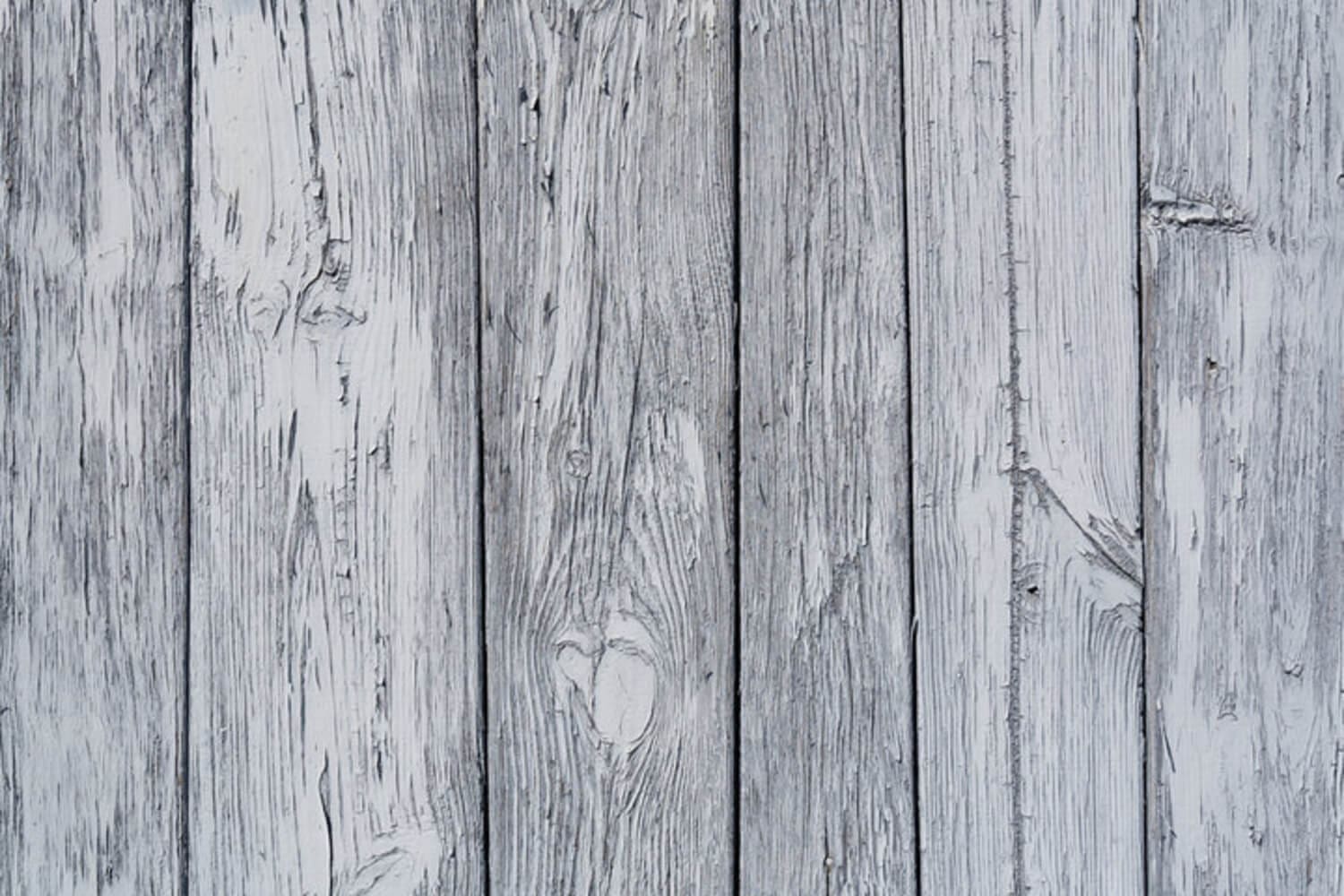
Wash the surface, scrape or sand anything failing, repair bare wood and cracks, caulk open joints, and prime bare spots before any color goes on. Plan two coats, and let each one dry fully. That order is what makes a coating bond instead of peeling, and mountain freeze-thaw makes it matter more here than almost anywhere.
A north-facing wooded porch, a south-facing exterior wall taking intense afternoon UV at 3,000 feet, and a kitchen cabinet all ask completely different things of paint. Use a product formulated for what that surface will face, not just the color you like on a paint chip.
Western NC weather is hard on exterior paint. Altitude UV bakes south and west walls, freeze-thaw opens caulk joints, and valley damp brings mildew. Here is how to plan around it.
In mountain weather, exterior paint only lasts as long as the prep underneath it. Washing off dirt and mildew, then scraping, sanding, repairing, and priming failing areas, is what keeps a new coat from peeling through its first winter.
Fiber-cement and HardiePlank siding on newer foothill homes holds paint well, but the caulk joints and cut edges are where moisture penetrates. Resealing joints and priming bare spots keeps siding shedding water through freeze-thaw cycles.
Altitude UV fades and chalks color fastest on walls taking the afternoon sun. On higher-elevation lots around Burnsville and Marshall, these elevations wear first. A fade-resistant coating prevents chalking.
Coatings need dry, moderate temperatures to properly cure. Wind-driven rain tests every seam, and heat and damp shrink the curing window. Timing exterior work around freeze-thaw and afternoon storms is critical.
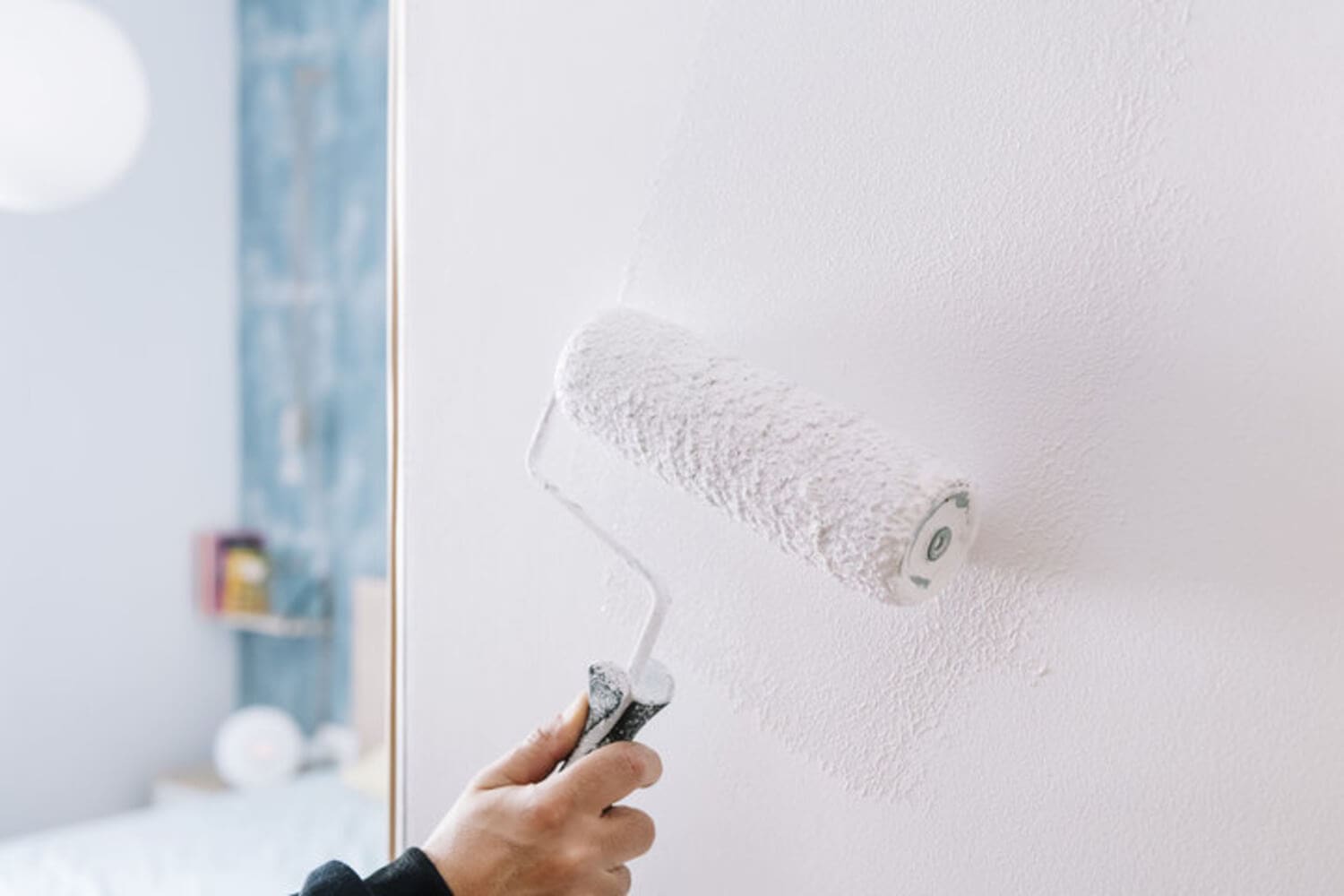
Inside the house, durability comes down to surface prep, sheen choice, and product grade. How to get smooth walls and clean lines that hold up to real life.
Nail holes, dings, and old patches telegraph through fresh paint if not addressed first. Filling, sanding, and spot priming repairs is what makes a finished wall read completely smooth rather than patched over.
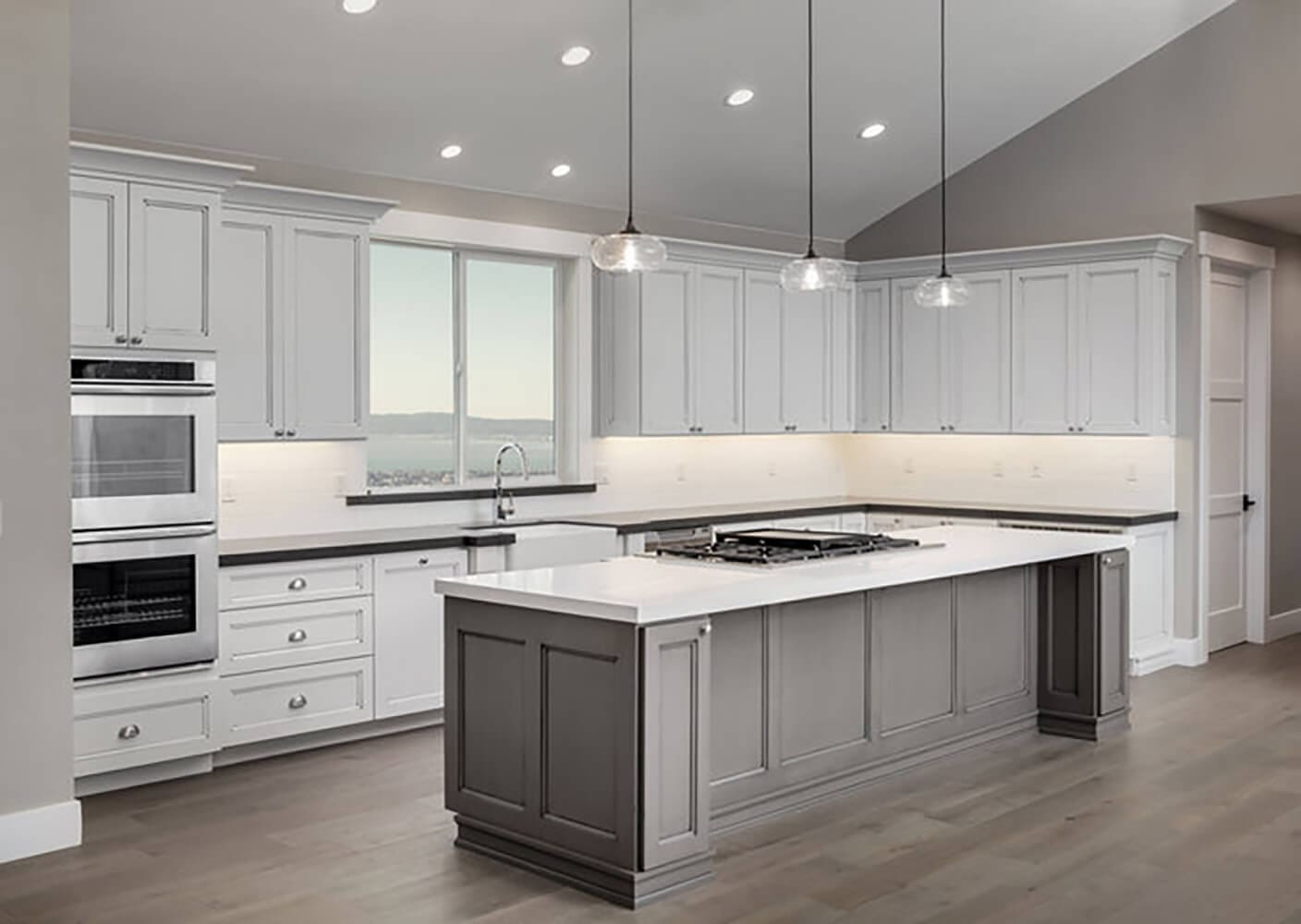
Kitchens, baths, hallways, and trim take constant contact and scrubbing, demanding a washable satin or semi-gloss finish. Low-traffic ceilings and formal rooms can carry a flatter, light-absorbing sheen.
Blue Ridge daylight shifts dramatically through the day, so showroom swatches read differently at home. Testing color on your actual wall saves a costly repaint. Our visualizer gets you close, and we confirm at consultation.
Working room by room with low-odor, zero-VOC acrylic products minimizes fumes and allows you to enjoy freshly painted living spaces right away without disrupting family life.
Cabinets take more physical contact and cleaning than any wall in the home. A durable finish demands a proven commercial spray method.
Kitchen cabinets carry a film of cooking oil, especially near stoves and hardware, and paint will never bond to it. Thoroughly degreasing every surface before sanding prevents finish peeling at daily touch points.
Cabinet doors are seen up close every single day, so brush marks are obvious. Doors and drawer fronts are removed and sprayed in a controlled shop setup, creating a factory-smooth finish far superior to hand-painting.
Cabinet enamels require time to fully cure into a rock-hard shell before handling daily abuse, and mountain humidity slows curing. Giving the finish adequate time to set up keeps it pristine for years.
Horizontal wood decks and log homes take the direct brunt of mountain weather. Here is what keeps them shielded against moisture rot and intense altitude UV.
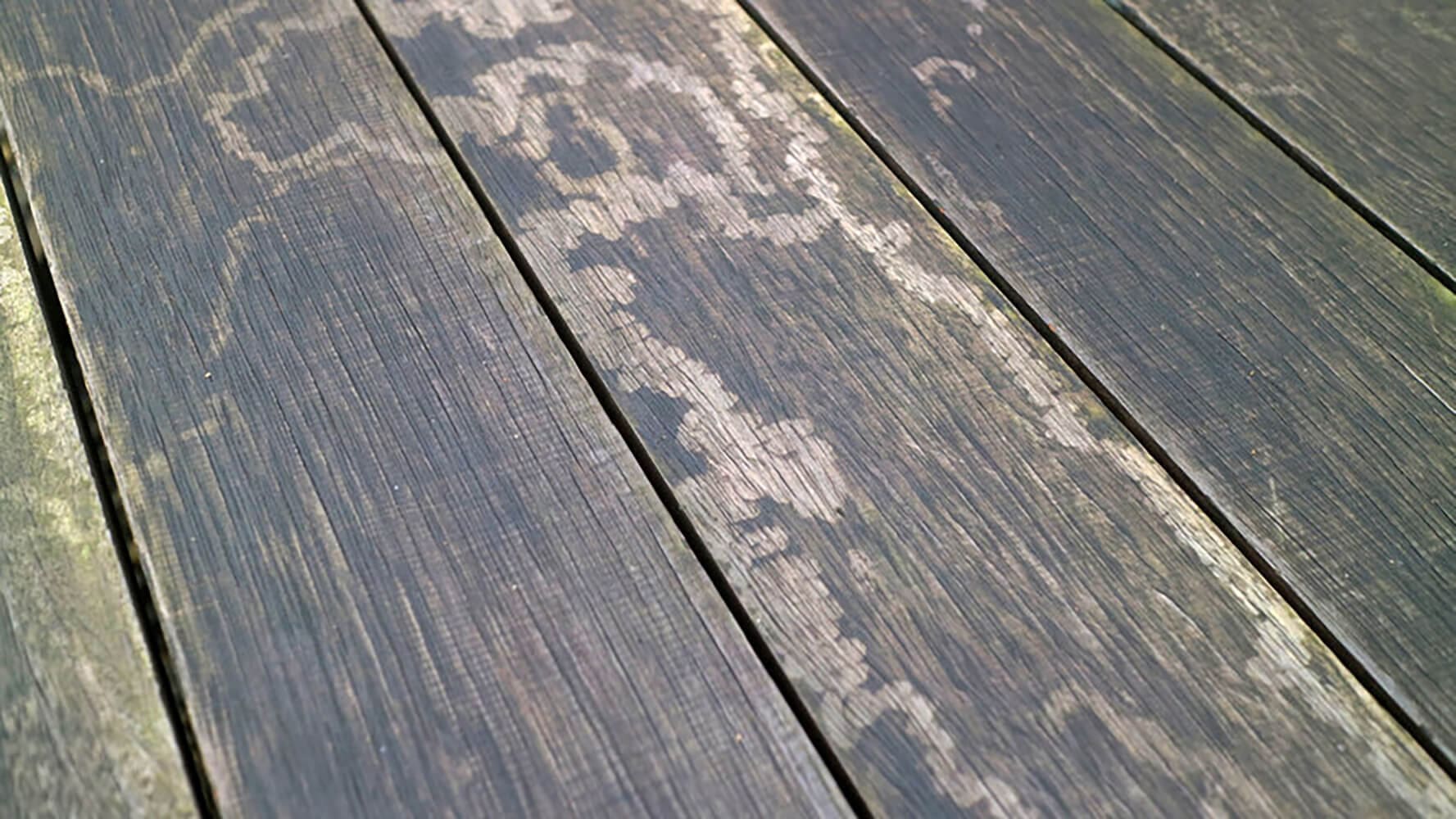
Mountain rain and valley damp keep decks wet longer than expected, and stain will not penetrate wet wood fibers. Staining only when moisture levels drop below 15% ensures the finish bonds and endures through winter.
Dirt, mildew, and failing old coatings prevent new stain from adhering. A deep pressure wash plus targeted sanding separates a finish that endures from one that flakes away by next summer.
Transparent and semi-transparent stains show grain but need reapplication every 2 to 3 years. Solid stains provide stronger UV shielding and last longer on high-elevation lots, protecting older boards.
Log and heavy timber homes across Western NC expand, contract, and check differently than siding. They need specialized breathable log coatings and a crew experienced in chinking and UV-damaged logs.
Do not wait until bare wood is grey and water has soaked the trim. Catching these four early keeps a paint job from turning into an expensive carpentry repair job.
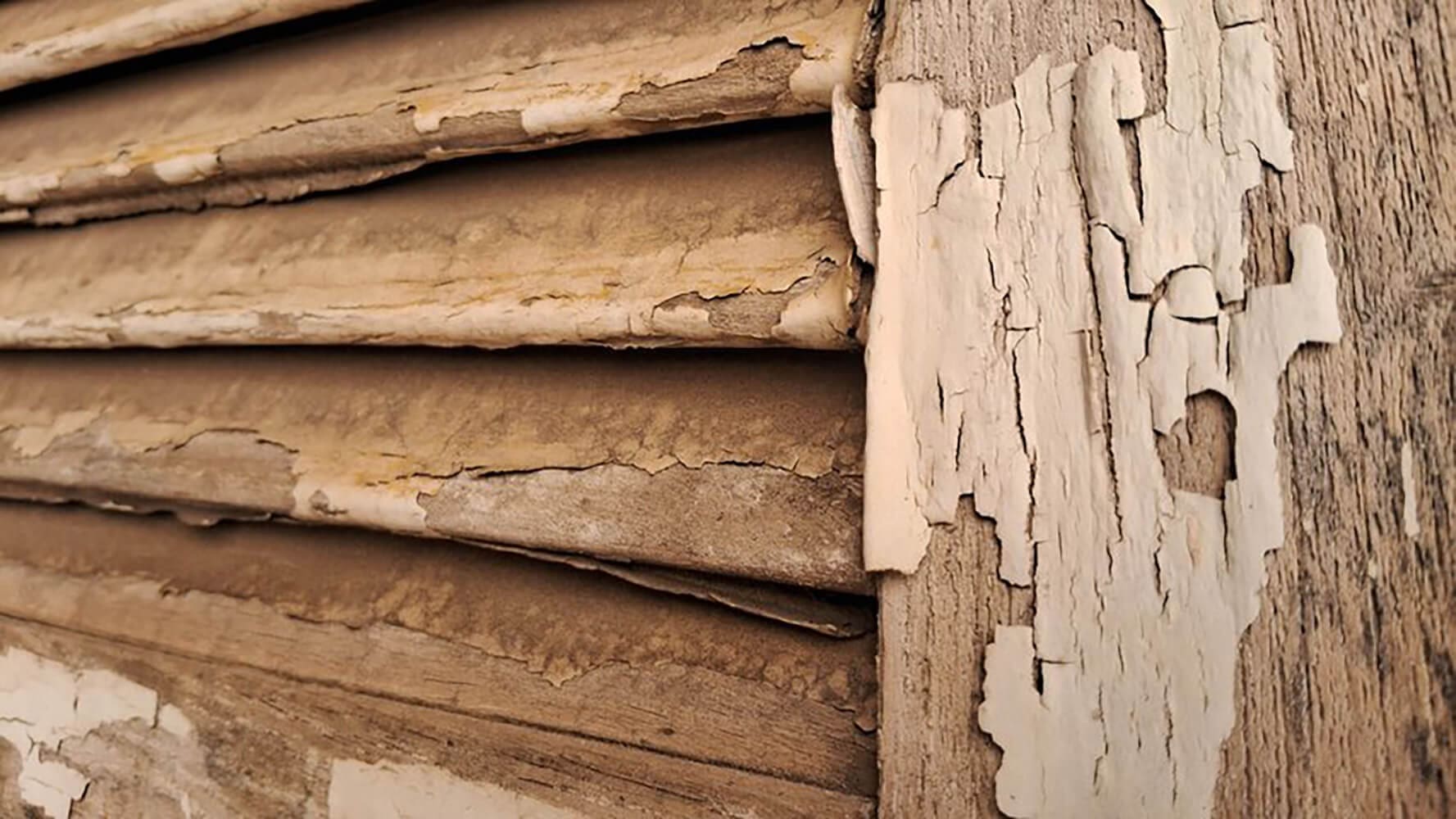
When the paint film breaks, water gets behind it. The longer you wait, the more scraping, sanding, and priming the job needs, and costs climb.
Caulk seals joints around windows, doors, trim, and corners. In mountain freeze-thaw, failed caulk lets moisture right into the wall framing.
Run a hand down the siding; if chalky residue comes off, paint binders are breaking down under mountain UV and it is time for a new finish coat.
Dark streaks, mold that returns quickly, or soft spots in siding and deck boards mean water is sitting. Catching it early saves replacing boards later.
Not every painting project needs a professional crew. An honest look at where DIY works and where it costs you more in the end.
If the room is small, walls are low, surfaces are in good shape, and you have a weekend to spend, DIY painting is a satisfying project. Accent walls, laundry rooms, and simple touch-ups are great candidates for your own brush.
When heights, ladders on slopes, deep prep, multi-day spray equipment, or whole-building timelines are involved, a managed crew saves weeks of disruption and gets a finish backed by a 3-year written warranty.
In-depth articles covering paint sheen, mountain climate prep, fence staining, cabinet refinishing, and contractor vetting.

What paint sheen means for interior painting — and how it affects color, room feel, and surface appearance. Here is what to know before you choose a finish.

How long does fence stain last in Asheville, NC? Learn what the mountain climate does to wood fence stain and how to tell when your fence needs attention.

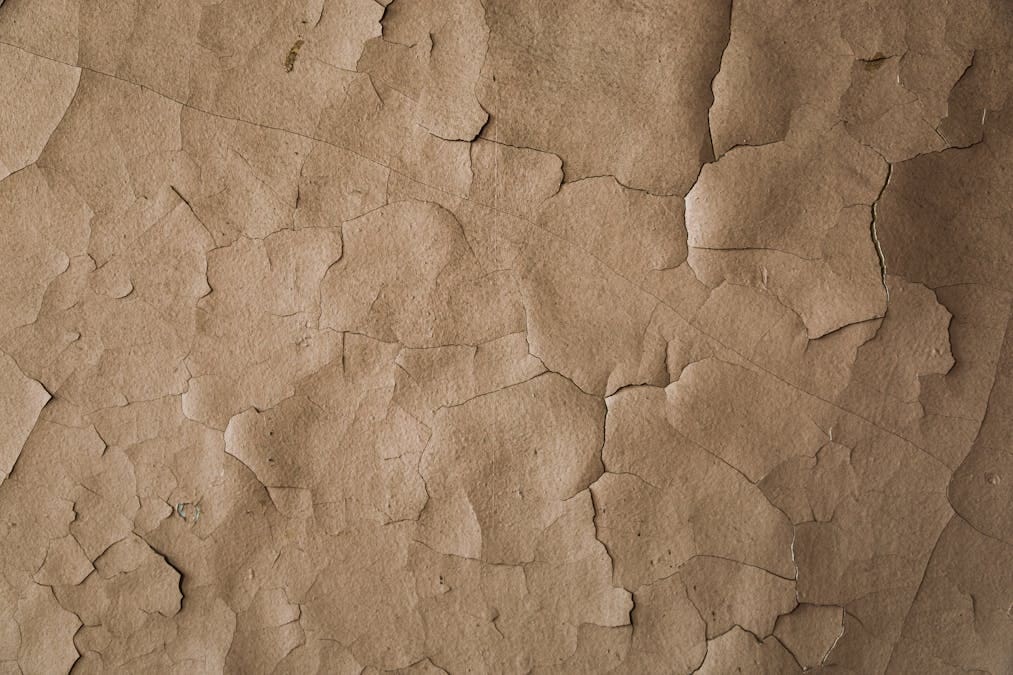
Why interior paint prep work determines how long it lasts — what each prep step does and what happens when it is skipped.

Wondering when does a deck need staining in Burnsville, NC? Here are the signs your deck's stain is worn out and what to do next.

How Asheville's climate affects exterior paint — humidity, UV intensity, and temperature swings all shorten how long paint lasts in Western NC.

What does professional cabinet refinishing involve? This walkthrough covers the prep, the process, and what to expect from start to finish.

Know what to expect from professional exterior painting, from prep to cleanup, and why hiring experts ensures long-lasting, quality results.

Discover the importance of interior paint colors, how they affect mood, space, and value, and how expert guidance makes all the difference.

Learn the risks of hiring cheap house painters that can lead to costly mistakes, poor results, and long-term frustration.
Alpha Omega is based at 15 Town Square in Burnsville and works across Asheville and the mountain towns around it, adjusting prep, primer, and topcoat to the building in front of it.
Older commercial districts and residential neighborhoods bring original wood siding, painted brick, and trim profiles that need patient repair before primer goes on. Valley humidity speeds up mildew and tests adhesion, so those surfaces get extra attention before paint.
A building in Burnsville sits well above one in Fletcher and sees longer freeze-thaw cycles, more snowmelt, and stronger sun. South- and west-facing walls take the worst of the UV, and overnight temperature swings stress any coating that cannot flex with the substrate.
Newer construction here often means fiber-cement, HardiePlank, and vinyl-trimmed exteriors on both commercial and residential properties. Those surfaces hold paint well, but they depend on sealed caulk lines and the right primer.
Our team is always happy to answer your project questions and discuss your custom proposal.
When you are ready for numbers, schedule a free on-site consultation. Brandon's team walks the property, inspects the surfaces, and hands you a written quote that names every prep step and product. A 3-year warranty backs the finish, and the decision stays yours.
Your details stay private and are never shared.